
Camera traps have emerged as valuable non-invasive tools for obtaining direct observations of wildlife in their natural environments. Camera trap-based wildlife monitoring has become integral to wildlife research globally, enabling ecologists to document species presence, behaviour, and population dynamics across diverse ecosystems. This technology has revolutionised our capacity to study elusive and nocturnal species, monitor remote areas, and gather long-term behavioural data with minimal human disturbance.
However, this technological advancement comes with a significant challenge – processing and analysing the massive volumes of data captured! Manually sorting through thousands and thousands of camera trap images to identify and classify species is extraordinarily time-consuming, as well as labour- and resource- intensive, proving particularly challenging for smaller research organisations, academic institutions, and individual researchers operating with limited budgets and personnel. This data processing bottleneck often undermines the efficacy of working with camera traps, creating a disparity between data collection capacity and analytical capability.
Overcoming these challenges is essential to fully leverage the potential of camera trap data for understanding ecological processes and informing evidence-based conservation strategies.
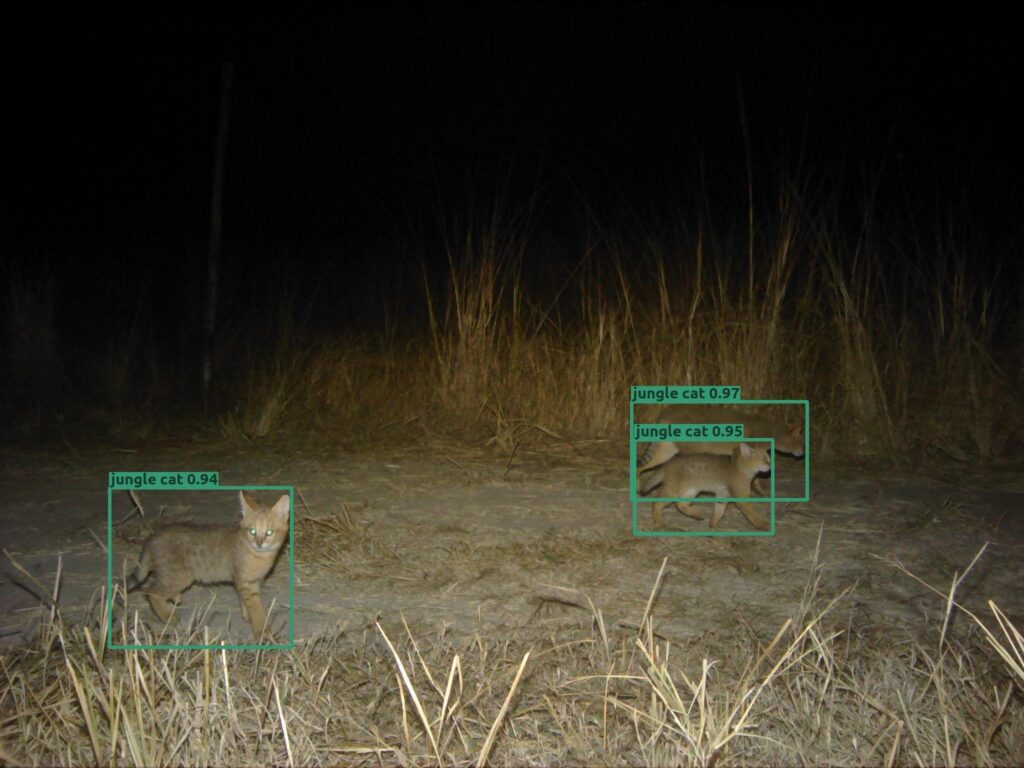
©WCT
Wildlife Conservation Trust (WCT), in collaboration with Aadax Data Science, has developed an automated species recognition model specifically for the Central Indian landscape. This tool leverages machine learning and computer vision algorithms to automate the species classification process, addressing this critical bottleneck in wildlife research methodology. The model is capable of recognising 40 different classes of wild animals across Central India with an accuracy of 97.3 percent, a level of precision that meets scientific standards for research and conservation applications.
“Species recognition models trained on global datasets already exist, but fine-tuning them with region-specific images boosts their accuracy, since these training datasets capture local variations in animal appearance and habitat backgrounds, resulting in more accurate species identification from camera trap data collected in that landscape,” explains wildlife biologist Aditya Joshi, who heads WCT’s Conservation Research – Central India Programme.
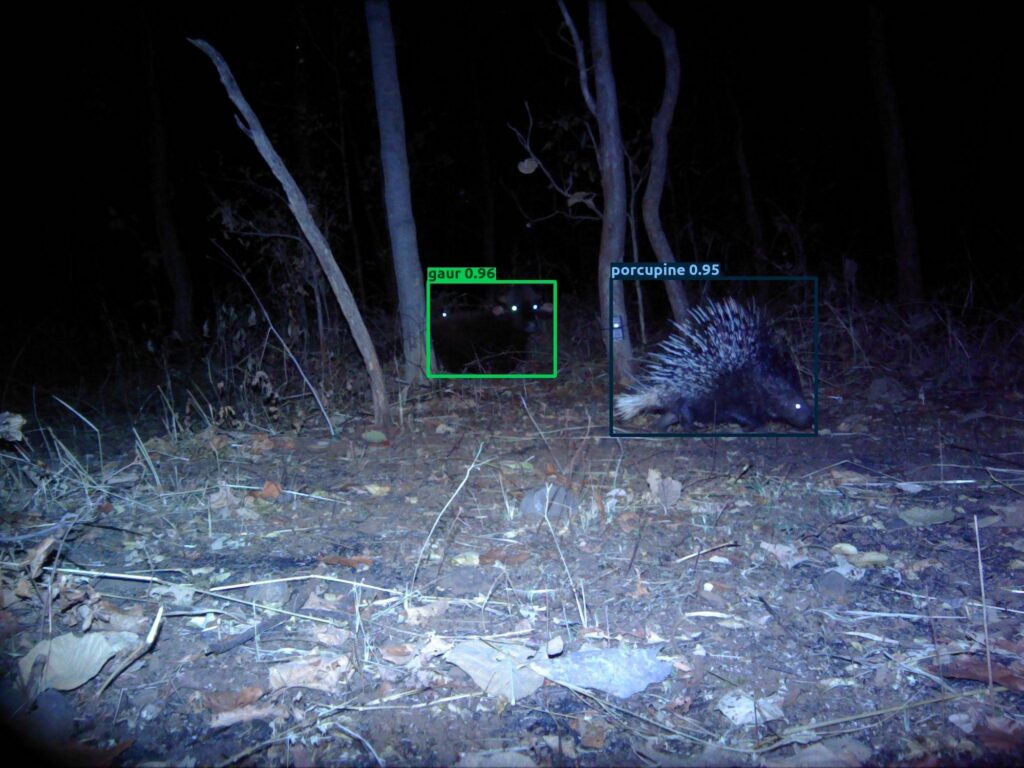
©WCT
The species recognition model was designed using a comprehensive dataset of 1.1 million camera trap images from over 10,000 unique locations with a focus on dry and moist deciduous forests of Central India. WCT’s massive and robust camera trap data collected through several years of systematic camera trap surveys in the Central Indian Landscape, helped train and build this model.
The model maintains consistency, reduces observer bias, and enables standardised, reproducible results that strengthen scientific credibility and peer review outcomes. Researchers can expand study areas and temporal scales without proportional increases in labour costs, redirecting resources toward fieldwork, ecological analysis, and conservation implementation.
“With a 97.3% accuracy rate and trained on over a million camera trap images, this model doesn’t just save thousands of hours of manual labour, but it also brings standardised, bulletproof scientific credibility to wildlife monitoring across Central India. More importantly, it’s open source and runs on your machine offline and requires zero coding skills,” says Anuj Alukathra, Research Associate at WCT, who was involved in developing this model.
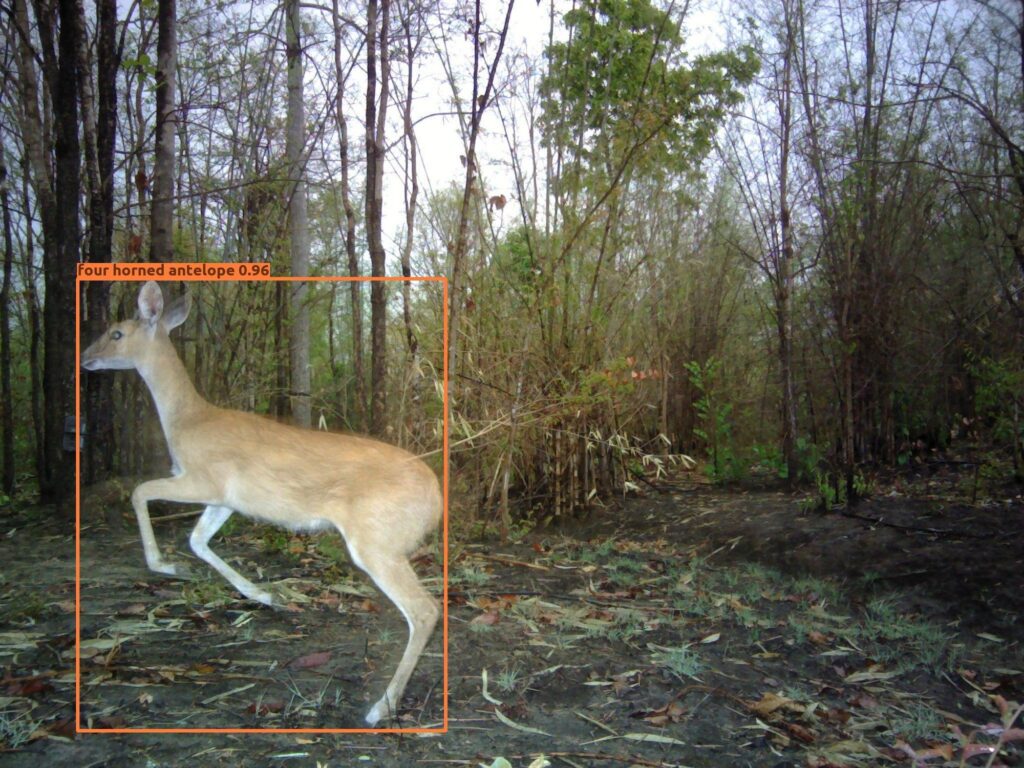
©WCT
WCT President, Dr. Anish Andheria adds, “We are launching an open-source species recognition programme for Central India, so that camera-trap data can transform into rapid, usable science. Built by WCT with Aadax Data Science, this easy-to-use programme will cut time, cost, and observer bias. Now students, researchers and forest officers can carry out their respective data analysis faster, with wider reach and confidence – fuelling better species and habitat conservation for everyone.”
Link to download the software:
https://addaxdatascience.com/addaxai/
Note: This species identification model is a stand-alone open source software that can be run locally on your system offline.
Your donations support our on-ground operations, helping us meet our conservation goals.