
Every year on 31 July, the world observes International Rangers Day to honour the men and women who dedicate their lives to protecting our natural heritage, and to remember those who have made the ultimate sacrifice in the line of duty.
When we think of the dangers faced by India’s frontline forest staff, it is easy to imagine only dangerous encounters with wild animals. The reality, however, is far more complex. The staff take on poachers, confront illegal timber and sand mafias, resist encroachment, battle raging forest fires, and patrol some of the country’s most remote and unforgiving landscapes, often at great personal risk.
This International Rangers Day, we remember five such frontline personnel who lost their lives while carrying out their duty. Each story represents a different hazard of the profession, but together they tell a single story: one of extraordinary courage, dedication, and a commitment to protecting India’s forests that endured until the very end.
Killed by Poachers: Mathy Hansdah (Similipal Tiger Reserve, Odisha)
On 17 May 2023, Mathy Hansdah, the Range Officer of Upper Barhakamuda Range in the core of Odisha’s Similipal Tiger Reserve, made the ultimate sacrifice while leading an operation against armed poachers.
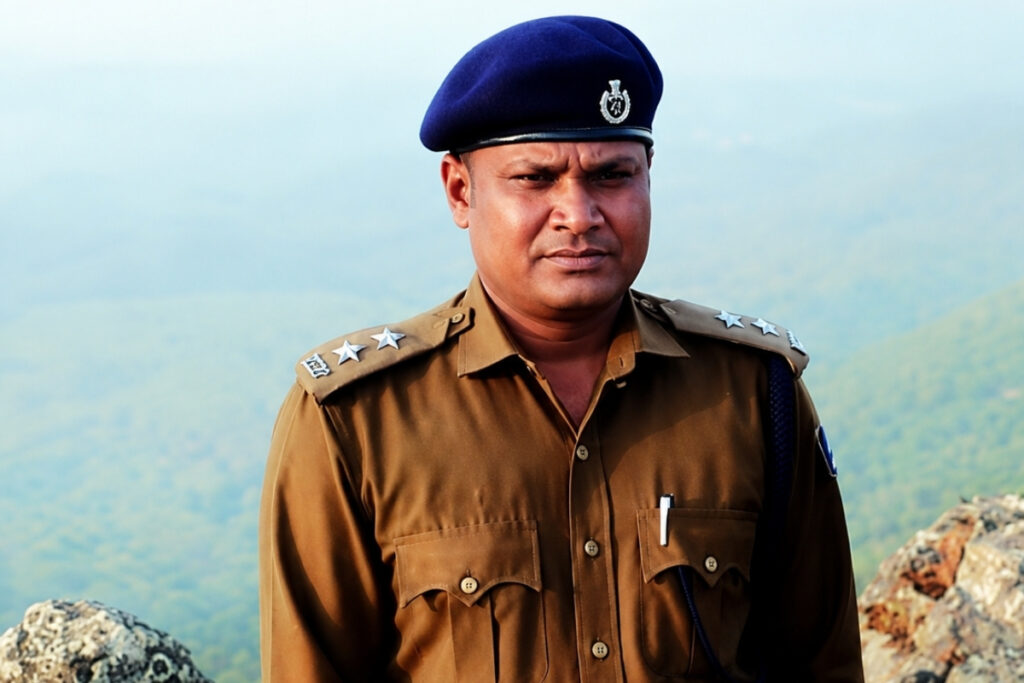
Acting on intelligence about the movement of poachers inside the reserve, Hansdah and his team set out on patrol. During the operation, the team came under fire, and Hansdah was fatally shot. He succumbed to his injuries in the forest.
Hansdah, an Adivasi himself, embodied the deep connection that many Adivasi communities have with India’s forests. As an Adivasi officer serving in one of the country’s most important tiger reserves, he combined an intimate knowledge of the landscape with an unwavering commitment to protecting its wildlife, a commitment he held on to until his last breath.
Killed by the Sand Mafia: Harkesh Gurjar (Morena, Madhya Pradesh)
When we think of forest personnel losing their lives while confronting criminals, our minds usually turn to armed poachers or timber smugglers. Rarely do we think of them taking on the illegal sand mafia.
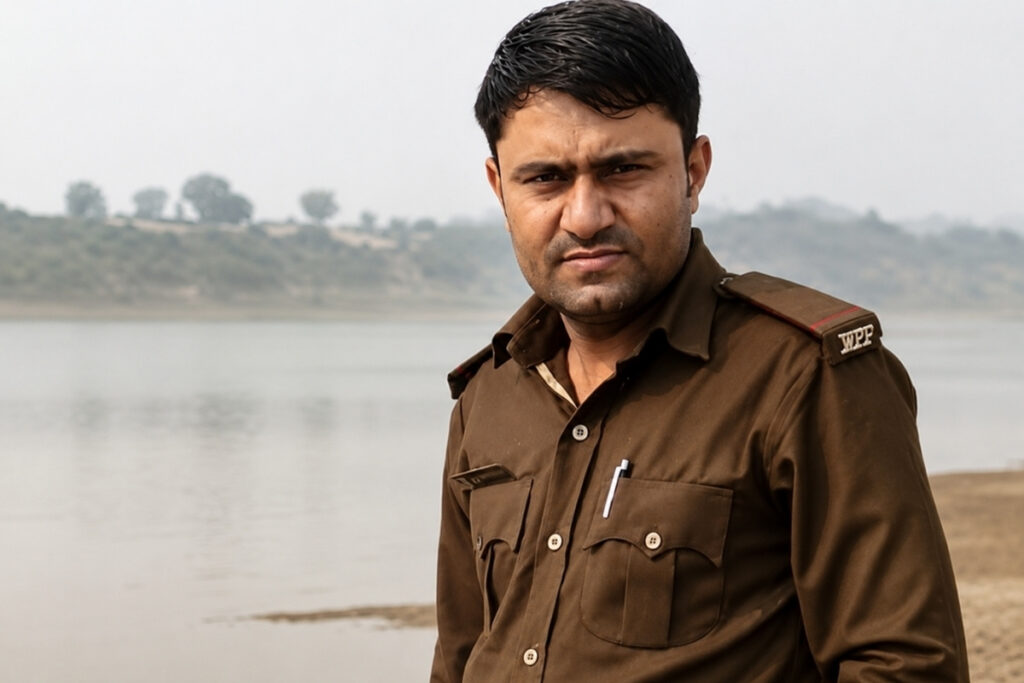
On 8 April 2026, Harkesh Gurjar, a Forest Guard in Madhya Pradesh’s Morena district, was part of a patrol acting on intelligence about illegally mined sand being transported from the Chambal River. As the team intercepted a tractor-trolley laden with sand, Gurjar stepped forward and signalled the driver to stop. Instead, the driver accelerated, mowing him down before fleeing the scene. Gurjar died on the spot.
Illegal sand mining is often dismissed as an environmental offence. In reality, it is driven by organised criminal networks that routinely resort to intimidation and violence against those who stand in their way. Harkesh Gurjar’s death was not an isolated tragedy, but part of a long and troubling pattern of forest personnel being attacked, and sometimes killed, while confronting the sand and boulder mafia. It is a stark reminder that protecting India’s natural heritage is not confined to forests alone; it also means defending the rivers and landscapes on which countless species depend, often at immense personal risk.
Killed Fighting a Forest Fire: Sundaresh (Sakleshpur, Karnataka)
Every year, forest staff risk their lives battling another recurring threat, that of the devastating forest fires that sweep across India’s landscapes.
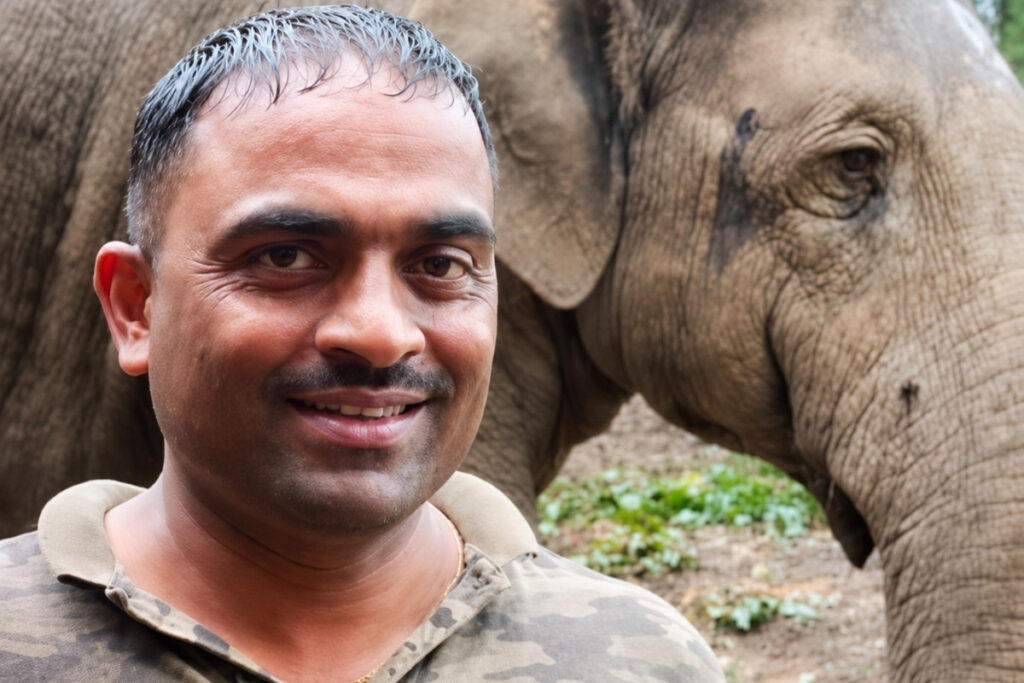
On 16 February 2023, Sundaresh, a Forest Guard with the Karnataka Forest Department, was among the staff members deployed to fight a forest fire in Kadumane, Sakleshpur. While attempting to douse the flames, Sundaresh suffered severe burns. He and another Forest Guard, Manjunath, who was also seriously injured in the incident, had to be carried for a long distance on a makeshift stretcher before they could be evacuated for medical treatment.
Despite efforts to save him, Sundaresh succumbed to his injuries at a Bengaluru hospital on 18 February 2023.
Sundaresh’s death is a reminder of the courage and dedication of those who enter burning landscapes to protect India’s natural heritage.
Killed by Encroachers: Chalamala Srinivasa Rao (Bhadradri Kothagudem, Telangana)
Protecting forests often means dealing with conflicts that extend far beyond wildlife crime and illegal extraction. Across India, frontline forest personnel are also tasked with preventing the destruction and unauthorised occupation of forest landscapes, a responsibility that can place them in the path of mob violence.
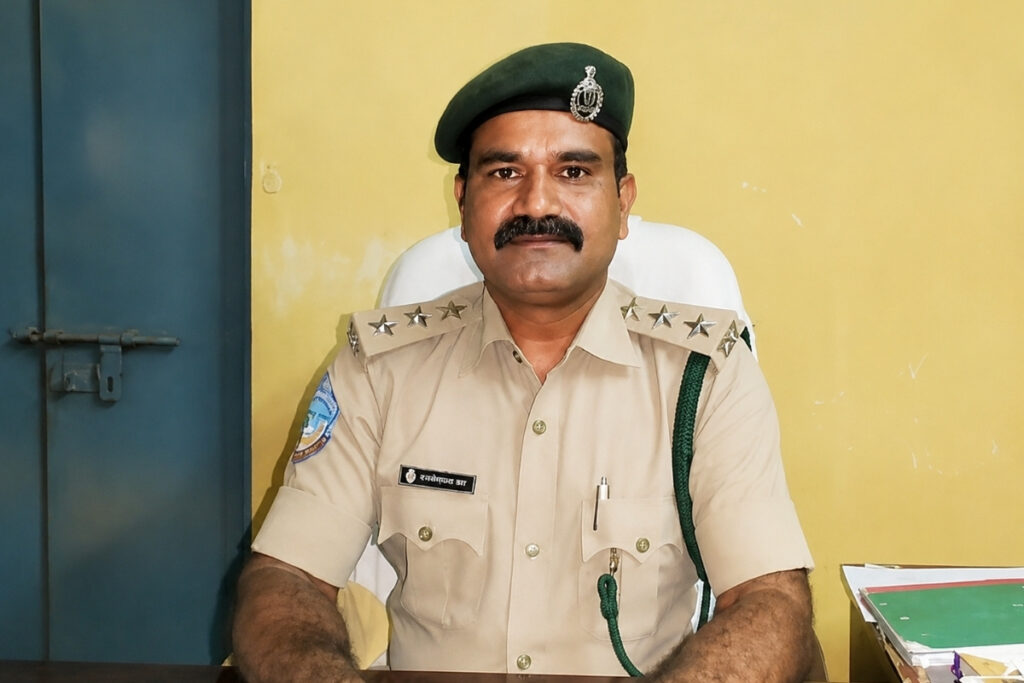
On 22 November 2022, Chalamala Srinivasa Rao, the Forest Range Officer of Chandrugonda Range in Telangana’s Bhadradri Kothagudem district, was brutally killed while carrying out his duties in the forests of Yerrabodu. Srinivasa Rao and his team reached the site where forest land had been encroached upon and encountered a violent mob. He was lynched by the mob, with the assailants slitting his throat in full public view. He succumbed to his injuries while being taken for medical treatment.
His killing is a grim reminder of the dangers faced by frontline forest personnel while enforcing forest laws. Those entrusted with protecting India’s forests often work in difficult and contested landscapes, where even routine duties can bring them face-to-face with extreme violence.
Death due to Wild Animals: Swati Dhumane (Tadoba-Andhari Tiger Reserve, Maharashtra)
For many forest personnel, there are times when the greatest danger they face is the very wildlife they are sworn to protect. Although such incidents are relatively uncommon, those working in tiger reserves and other Protected Areas know that every field visit carries an element of risk.

On 20 November 2021, Swati Dhumane, a Forest Guard, was participating in the All India Tiger Estimation in the core of Tadoba-Andhari Tiger Reserve. While surveying on foot with her team, they encountered a tigress. Taking due precautions, the team waited for nearly half an hour for the tigress to move away before attempting a detour through the forest. Yet, the tigress suddenly attacked Dhumane, dragging her into the forest. She succumbed to her injuries, becoming one of the very few forest personnel in India to lose their lives during the country’s tiger monitoring exercise.
Swati Dhumane’s death is a reminder that every milestone in India’s tiger conservation story rests upon the dedication and courage of frontline forest personnel, whose work often unfolds far from public view and at considerable personal risk.
Your donations support our on-ground operations, helping us meet our conservation goals.