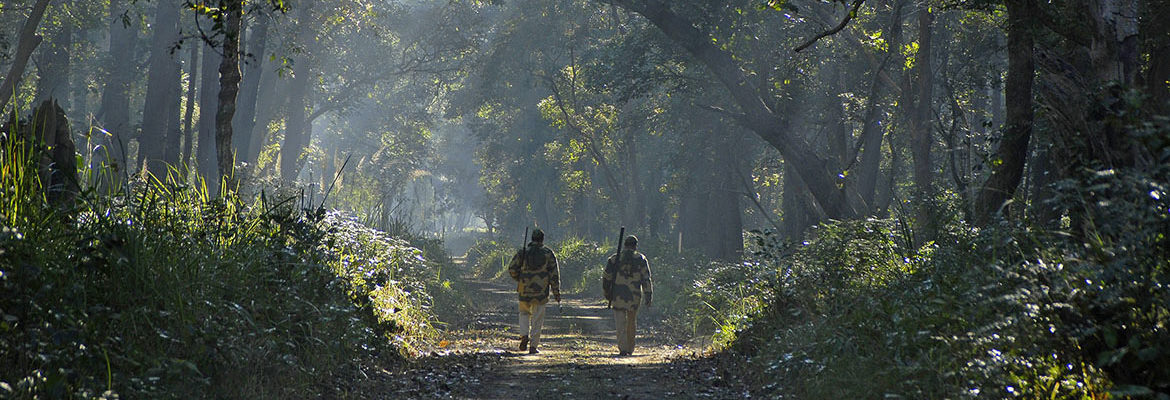
Forest guards make up the frontline of the government’s wildlife protection framework. Their importance in conserving India’s Protected Areas cannot be over-emphasised. The Wildlife Conservation Trust (WCT) envisions building the capacity of frontline forest staff to strengthen the on-ground protection of Protected Areas across India.
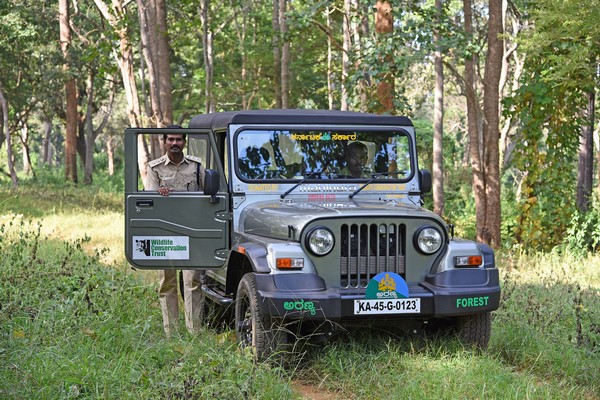
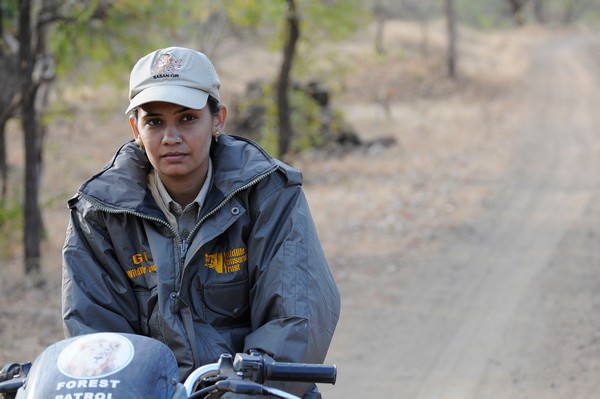
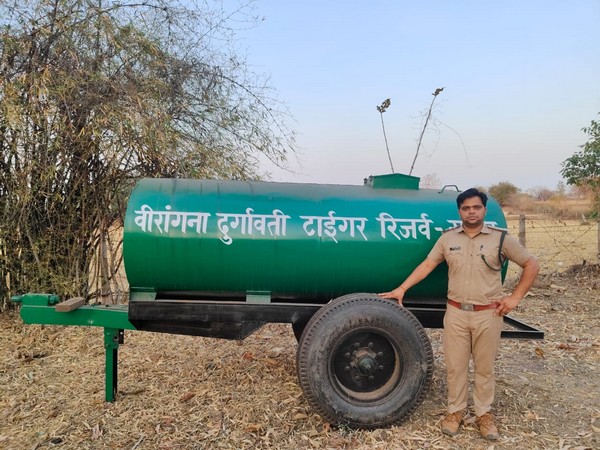
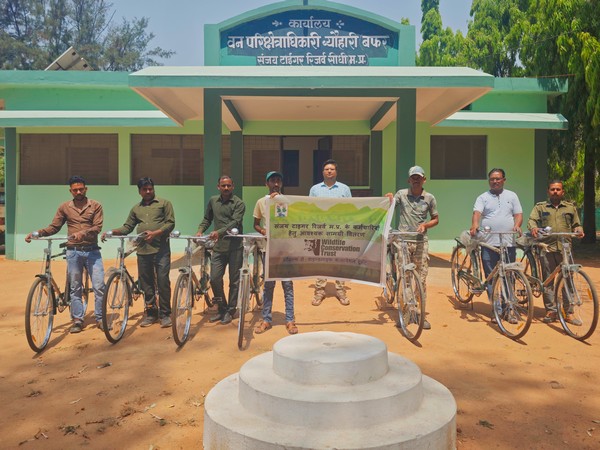
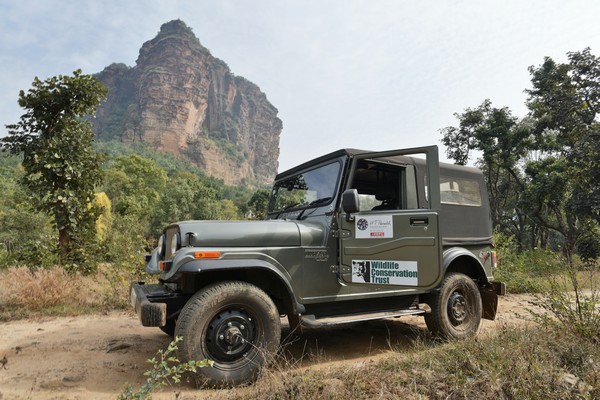
WCT strives to improve the working and living conditions of the frontline forest staff by providing basic amenities, safety gear, and vehicles for better mobility, thus enabling them to carry out their forest protection duties optimally.
Challenges faced by frontline forest staff:
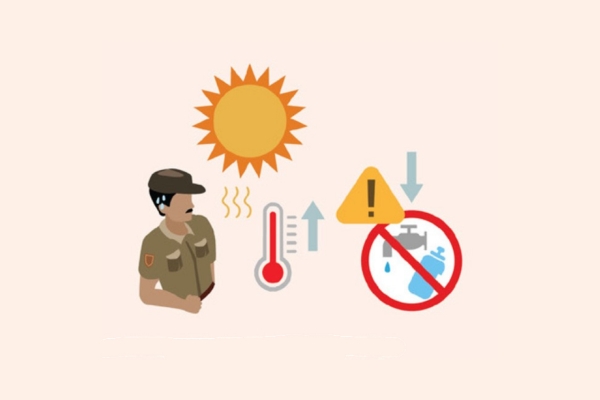
WCT is cognizant of the myriad challenges faced by frontline forest staff stationed across India’s Protected Areas. These dedicated individuals often live and work in extremely remote locations, performing round-the-clock duties that involve patrolling rough terrain, combatting forest fires, and intercepting illegal activities. In addition to enduring extreme weather conditions, they are constantly prone to loss of life or limb from snares, traps, live wires, and attacks by both hunters and wild animals. Despite being highly susceptible to diseases, they often lack access to proper healthcare. Furthermore, the emotional toll is significant, as many live away from their families for extended periods without a formal leave structure or adequate support systems for their kin.


Conservation challenge:
- Among the glaring key gaps in the protection-framework of India’s Forest Departments are lack of suitable infrastructure for the frontline staff to perform their duties in safety, and their limited mobility.
- Improving mobility and living conditions of the frontline forest staff is therefore paramount to their physical and mental wellbeing as well as the protection of India’s Protected Areas.
Methodology:
- WCT reviews the requirement and requests for support from Forest Departments on a pan-India basis.
- WCT provides suitable, state-of-the-art equipment, safety gear, basic amenities, and vehicles to the Forest Departments as and when needed.
- WCT has developed a methodology for thorough and rigorous analysis to assess the actual needs and requirements prior to providing equipment.
Equipping Patrolling Camps:
Patrolling Camps, also known as Anti-Poaching Camps (APCs), are a fundamental unit of protection within a tiger reserve. Strategically placed at sensitive locations in a forest, patrolling camps serve as a base from where guards can patrol the surrounding landscape. The remoteness of these locations poses several challenges for forest officials who battle extreme weather conditions and face life-threatening situations on a daily basis.
To improve the safety and comfort of frontline forest staff, WCT works on improving the living conditions in patrolling camps.
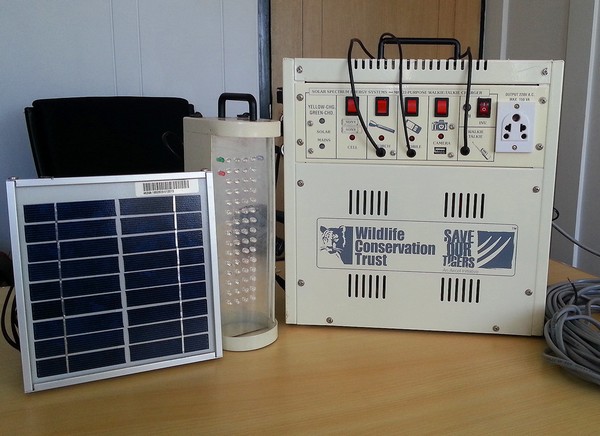
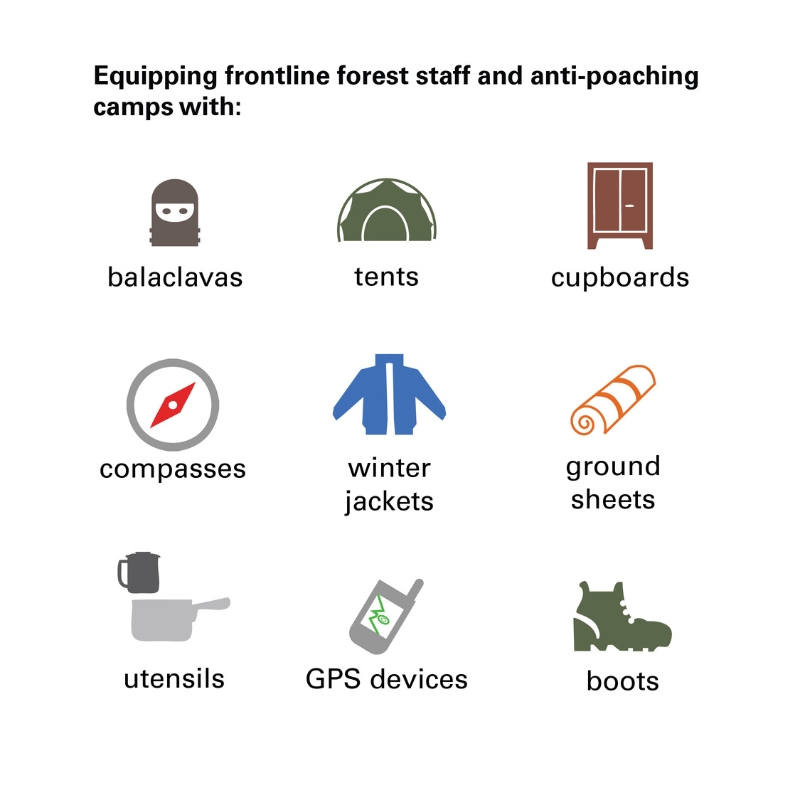
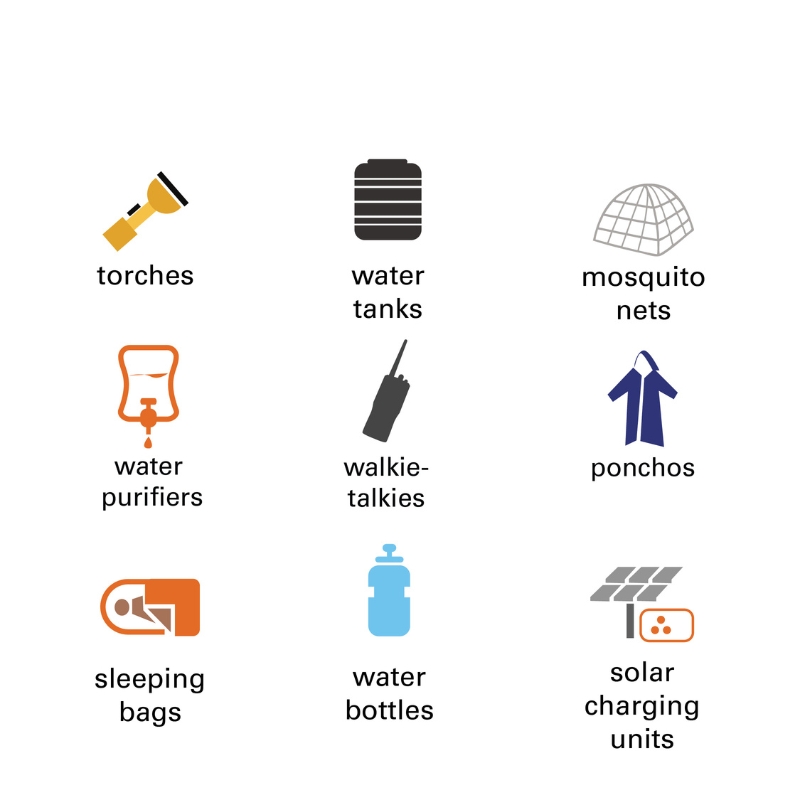
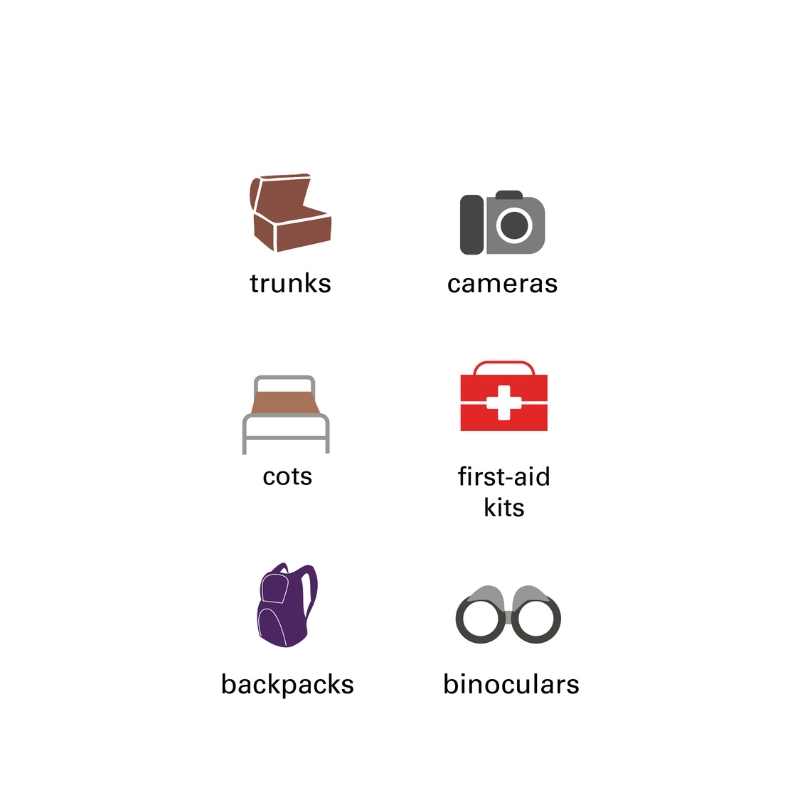
WCT equips patrolling camps with up various essential items such as solar charging units, water purifiers, first aid kits, walkie-talkies, binoculars, compasses, tents, boots and other items.
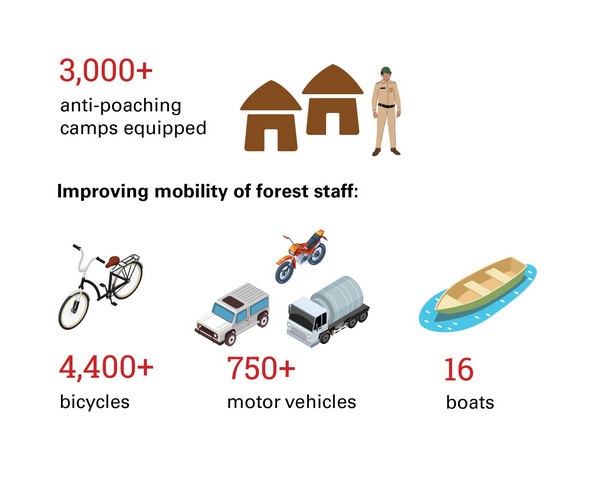
WCT has equipped over 3,000 APCs in Protected Areas (PAs) across the country. This has greatly boosted the morale of forest guards and watchers who are responsible for safeguarding India’s natural ecosystems.
Rapid Response Units:
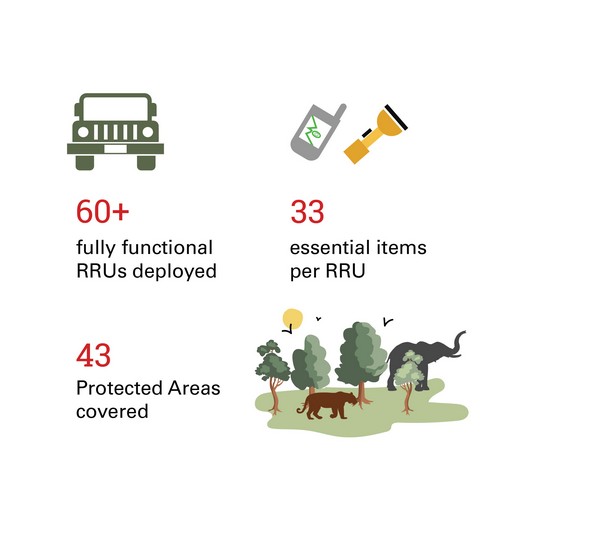
To help tackle human-animal conflict, WCT has designed and donated fully-equipped conflict mitigation vehicles called Rapid Response Units (RRUs) to forest departments across India. Each RRU consists of a specially-modified 4WD vehicle, three motorcycles, injury-proof carnivore trap cage, blow-pipe, stretcher, GPS, digital camera, sleeping bags, torches, and several other items needed during an emergency. The Rapid Response Units (RRUs) help to improve the effectiveness and reduce the response time of forest staff to emergencies.
Improving Mobility of Forest Staff:
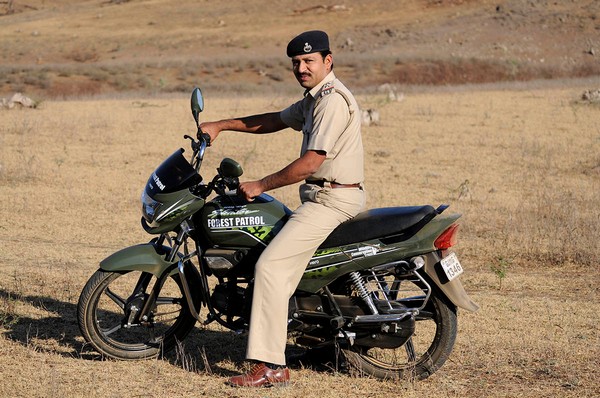
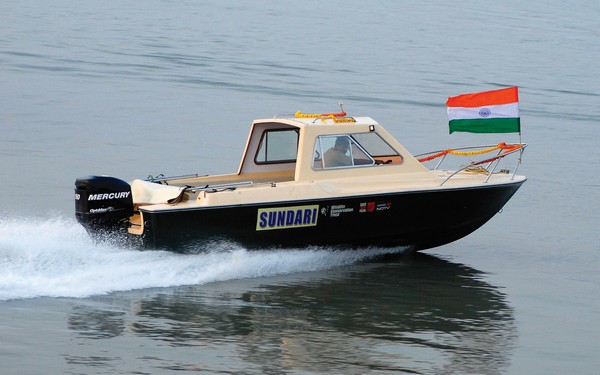
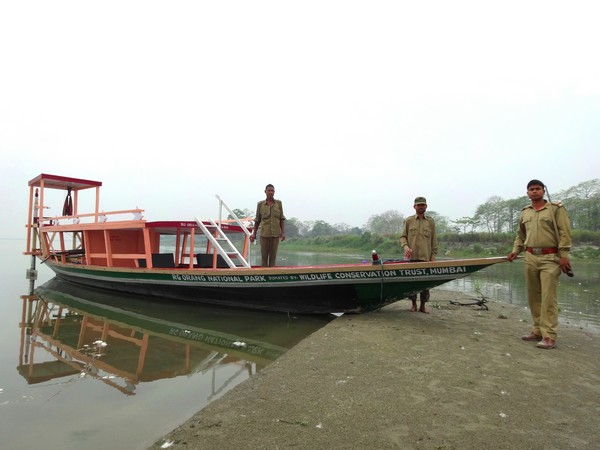
WCT supplements the efforts of state governments by donating an array of vehicles for frontline forest staff. We believe that greater mobility of the staff translates into better protection of remote, undulating, and vulnerable forest areas, and improves responses to human-animal conflict situations.
WCT donates bicycles, 125cc motorcycles, 4WD vehicles, 22-seater troop carriers, high-speed motorboats, water tankers, and tractors to forest departments across the country. Trucks are donated to parks that have constituted a Special Tiger Protection Force (STPF) to allow 20 guards to travel as a unit. WCT provides tankers so that officials can fill waterholes more efficiently for wildlife during summer.